
King Mzilikazi, the founder of the Ndebele kingdom, remains a powerful and revered figure whose legacy continues to shape the cultural and historical landscape of Zimbabwe. Born around 1790, Mzilikazi’s life was a testament to his ambition and strategic prowess. Originally a commander under the great Zulu king Shaka, Mzilikazi’s defiance and subsequent departure in 1823 led him and his followers on a remarkable migration northwards. This epic journey, a period of both conflict and assimilation, saw him conquer and absorb various peoples, including the Sotho and Tswana, creating the diverse and formidable nation known as the Ndebele. He ultimately established his final kingdom in what is now Zimbabwe’s Matabeleland, with his capital at koBulawayo.
Today, more than 150 years after his death, a concerted effort is underway to restore and celebrate his legacy. This mission is driven by cultural leaders, descendants of the royal family, and a new generation eager to connect with their heritage. The annual King Mzilikazi Commemorations, a significant event in Bulawayo and among the Ndebele diaspora worldwide, are central to this movement. These celebrations are not merely historical re-enactments but vibrant displays of Ndebele identity, featuring traditional songs, dances, and a powerful sense of community.
The drive to honor the king extends beyond cultural festivals. There is a growing call for his legacy to be formally recognized and integrated into the national narrative. Bulawayo’s mayor, David Coltart, has been a vocal advocate for giving King Mzilikazi Day the respect it deserves, even suggesting it should be the most important date on the city’s calendar. He argues that Bulawayo’s very existence is a direct result of the kingdom Mzilikazi founded, making a proper commemoration not just a matter of cultural pride but of historical fact.
This push for recognition also includes a focus on preserving key historical sites. Efforts are being made to improve access to and the state of Mzilikazi’s grave at Entumbane in the Matobo Hills. The goal is to transform it from a neglected site into a major cultural tourism attraction that can educate and inspire.
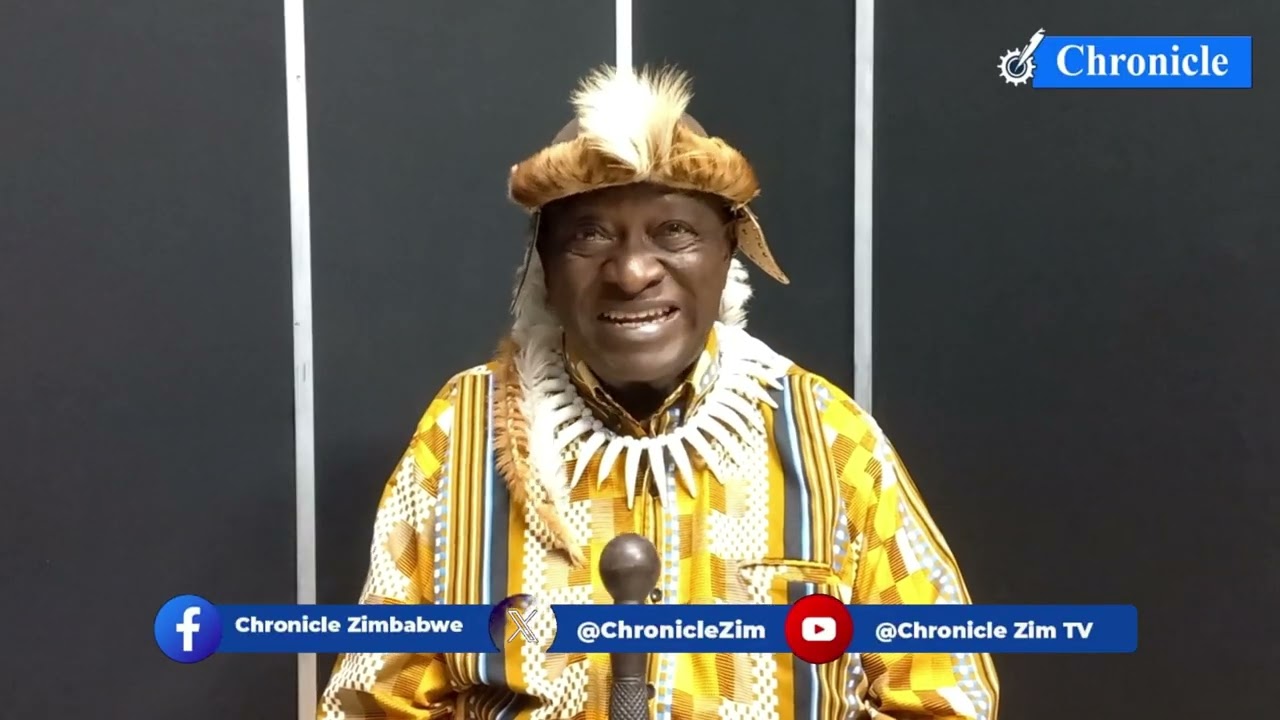
Cultural leaders, such as Prince Peter Zwide Khumalo, a direct descendant of the King, emphasize that this movement is about more than just remembering the past. It’s about strengthening the Ndebele nation through its culture and ensuring that future generations understand their roots. The commemorations, now expanding to multi-day events with a focus on youth engagement, are designed to pass on the core values of ubuntu and resilience that were central to Mzilikazi’s leadership. In a world where cultural identities can be eroded, the mission to restore King Mzilikazi’s legacy is a vital act of nation-building, reaffirming the Ndebele people’s place in history and their enduring pride.